
Images in this article are AI-generated illustrations.
You’ve finally found a little space for a dental appointment, then another question stops you: can you have treatment while you’re breastfeeding? Perhaps a tooth is sore, or you’ve been putting off a clean because you’re unsure about the injection.
Breastfeeding doesn’t mean you need to avoid dental care. The Australian Dental Association says local anaesthetic injections can be used during breastfeeding and treatment should not be avoided for this reason. At Clear Choice Dental Yokine, our check-up page describes examining your mouth and discussing your medical history before planning care.
Summary of the content
- Tell the dentist that you are breastfeeding and update your medical history.
- The ADA says treatment should not be avoided because of a local anaesthetic injection.
- Ask separately about sedation, medicines afterwards and any elective treatment.
What should I tell the dentist before the appointment?
Tell the dentist that you’re breastfeeding, along with your current and previous medicines. The Australian Dental Association’s medical-history guidance includes breastfeeding, allergies, supplements and the doctors caring for you. It also includes injected medicines and products bought without a prescription, not just tablets. As the ADA puts it: “It is important to let your dentist know your medical history.”
You don’t need to know which dental treatment will be suitable before you call. Explain the problem in everyday words: where it hurts, when it started and what you’re worried about. Bring your questions about feeding and medicines so the dentist can address those alongside the tooth.
If your medicine list has changed since your last visit, update it. A form completed before your baby was born may no longer describe your situation. The ADA recommends updating medical information regularly; if the history is complicated, it suggests bringing a copy of your history or medicine list from your doctor.
Can I have the numbing injection while breastfeeding?
Yes, the ADA’s oral health and pregnancy guidance specifically includes breastfeeding when discussing local anaesthetic injections. It explains that these injections numb teeth and gums and says dental treatment should not be avoided because of them.
That’s useful reassurance about a particular part of treatment. It isn’t an instruction to choose a medicine or a dose yourself. Tell the treating dentist what you’re taking and ask them to explain the proposed anaesthetic in the context of your own care.
The wording can be confusing because people use “anaesthetic” for different things. A numbing injection, sedation and a general anaesthetic are not interchangeable appointment descriptions. Our article about anaesthesia for wisdom teeth removal discusses those different approaches. If sedation is proposed, ask for advice about that exact plan rather than applying advice about a local injection to everything else.
What if I need wisdom tooth treatment?
Ask for an assessment rather than assuming breastfeeding either rules out treatment or makes a particular procedure suitable. Clear Choice Dental’s Yokine wisdom teeth page describes discussing your medical history and the proposed anaesthesia before treatment.
The same page explains that wisdom tooth removal has risks, including infection, dry socket, sinus problems and nerve irritation. Those risks belong in the consultation, alongside the reason for treatment and the options available for your tooth. This article doesn’t decide whether removal is necessary or which anaesthetic you should have.
If a procedure is suggested, ask the dentist to separate the decisions: what the tooth needs, what anaesthesia is proposed, and what instructions apply to breastfeeding and any medicines afterwards. You can take notes or ask for the instructions in writing. It’s much easier to raise a concern while the plan is being made than to leave with unanswered questions.
How do I keep the different questions separate?
Use the appointment description, not just the word “dental work”, when asking for advice. The table below is a conversation aid based on the ADA’s medical-history advice and our published service information. It doesn’t select a treatment.
| Your question | What to ask the dental team |
|---|---|
| A check-up or clean | Tell us you’re breastfeeding and ask what the assessment will involve. |
| A numbing injection | Ask which local anaesthetic is proposed and whether anything in your medical history changes the advice. |
| Sedation or a general anaesthetic | Ask for instructions for that particular plan, including feeding, recovery support and transport. |
| Medicines after treatment | Ask the dentist or pharmacist to check the exact medicine and label directions for your situation. |
| An X-ray | Ask what the image would help the dentist find and why that image is being suggested. |
Keep this distinction in mind when reading online advice, too. A page about pregnancy, a general anaesthetic or a baby’s dental health may answer a different question from the one you have about your own appointment.
Will I automatically need X-rays?
No particular X-ray can be selected from the fact that you’re breastfeeding. The ADA’s dental X-ray guidance says the type of image depends on what the dentist is looking for. X-rays help show areas beneath the surface of teeth and gums that a visual examination cannot show.
Our Yokine check-up and clean page says a dentist may recommend X-rays when further examination is needed. Ask what question the proposed image would answer and tell the dentist about earlier images taken elsewhere.
The ADA explains that dentists compare older and newer X-rays to look for changes. Bringing the previous practice’s details is useful, but it doesn’t establish that another image will or won’t be needed. Let the dentist explain how your available records relate to today’s concern.
Can I use the same advice for teeth whitening?
No. The ADA’s pregnancy resource says teeth whitening is not recommended during pregnancy or breastfeeding because evidence about its safety is lacking. That is different from its advice about local anaesthetic injections.
If whitening is what you had in mind, say so before booking a treatment. You can still ask about your oral health and discuss the concern about tooth colour. Don’t assume that advice supporting necessary dental care also supports every elective cosmetic treatment, and ask your dentist before choosing a whitening toothpaste.
This distinction is one reason to name what you’re considering. “Can I go to the dentist?” and “Can I have whitening?” are different questions, even when both start with the same worry about breastfeeding.
What happens at a Clear Choice Dental check-up?
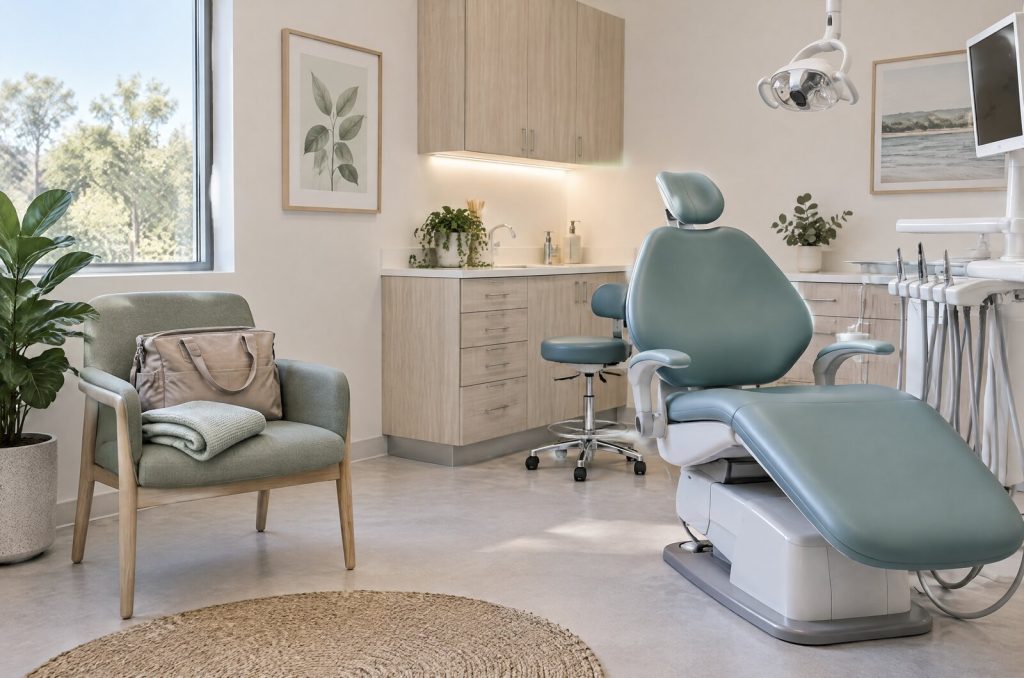
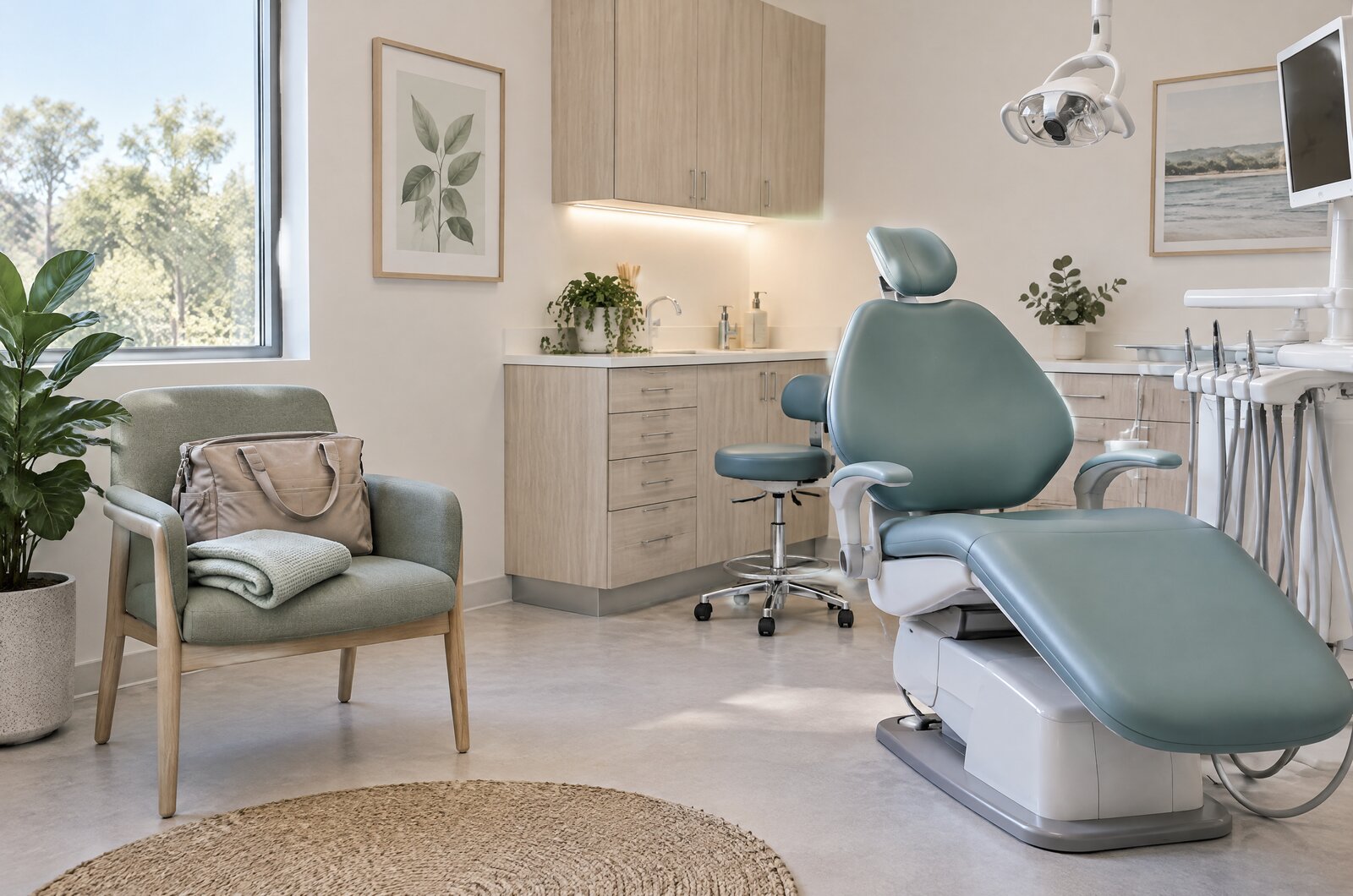
Our Yokine check-up page describes a medical-history discussion and an examination of your teeth, gums and mouth. Cleaning and further investigations depend on the care being planned. You can ask what is proposed before agreeing to it.
- Explain why you’ve come in and update your medical history, including breastfeeding.
- Have the concern examined rather than trying to identify the treatment yourself.
- Ask what the findings mean and whether any further information, such as an X-ray, is needed.
- Discuss the recommended care, relevant risks, alternatives and costs, including your feeding and medicine questions.
The first parts reflect our published check-up information; the questions are prompts you can use in that conversation. They are not a separate breastfeeding treatment programme or a promise that every procedure can be completed at one appointment.
What should I ask about pain relief and cost?
Ask about the exact medicines proposed, not a general list from another person’s appointment. The ADA’s medical-history guidance explains why prescription and non-prescription products, supplements and allergies all belong in the discussion. If you’re unsure about a product you’re already using, bring its packaging or a photograph of the label.
For cost, ask what the appointment includes and what might be charged separately. Healthdirect’s dental-cost guidance says most dental care isn’t covered by Medicare and private health policies differ in what they pay. Being a breastfeeding parent does not establish dental eligibility or a rebate.
If you have extras cover, ask for the proposed dental item numbers and check your own policy before treatment. You can also ask which parts of a proposed plan are needed to address the current concern and which are separate decisions.
Your appointment checklist
You don’t need a perfect set of notes. Start with what you know and flag anything you need help checking.
- Tell reception and the dentist that you’re breastfeeding.
- Bring an up-to-date list of current and previous medicines, supplements and allergies.
- Write down the symptom or reason for the appointment.
- Have the details of your previous dental practice if it holds relevant records.
- Ask whether the plan involves a local injection, sedation or another form of anaesthesia.
- Ask for the instructions that apply to your own treatment and any medicines afterwards.
- Check the estimate and any health-fund contribution before agreeing to care.
Booking a visit in Yokine
Clear Choice Dental Yokine is at 17/162 Wanneroo Road, Yokine WA 6060. Our contact page lists Wednesday opening until 7 pm and Saturday opening from 8 am to 1 pm; ask about current appointment availability when you call.
Call (08) 9345 0455. You could say: “I’m breastfeeding and I’d like a dental assessment. I have questions about the numbing injection and any medicines I might need.” If you’re calling about symptoms, explain those at the start rather than booking only around a preferred treatment.
Written by Dr. Sandeep Sharma, Principal Dentist, Clear Choice Dental.
Sources
Sources checked 2 November 2026. This article explains general published guidance, not an individual feeding, medicine or dental treatment plan.
- Australian Dental Association: Pregnancy, sections on local anaesthetic and whitening; Medical history; and Dental X-rays.
- Healthdirect Australia: Cost of dental care, reviewed October 2023.
- Clear Choice Dental: the Yokine check-up, wisdom teeth, anaesthesia article, dentist profile and contact pages linked above.