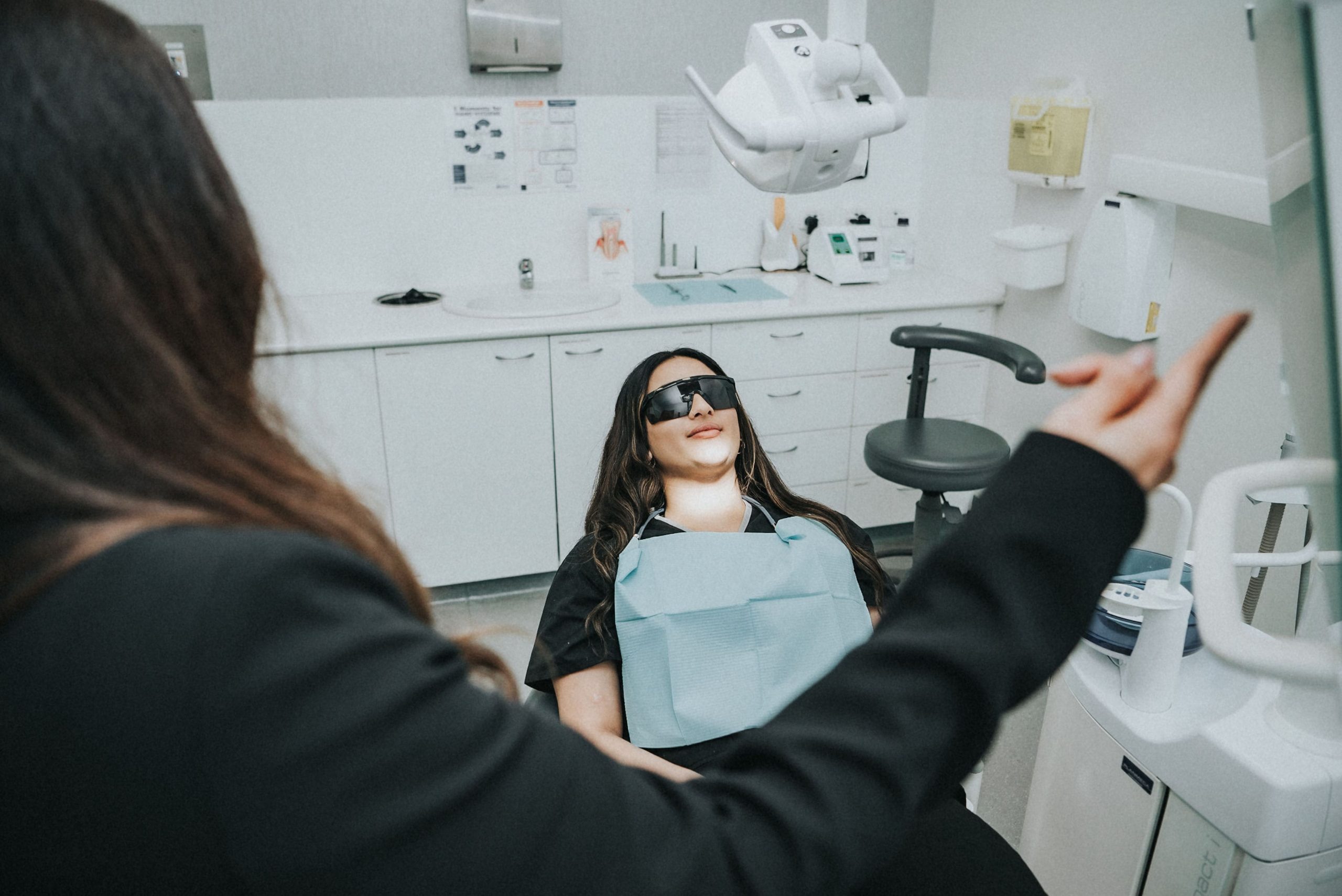

$600 In-Chair Teeth Whitening With Take-Home Whitening
3 Convenient Locations Around Perth
We Accept All Major Health funds and Popular Buy-Now-Pay-Later Providers
Our Dentists Have Over Two Decades Of Experience, So You Know You Are In Good Hands
Learn What’s Included in this Whitening Package
The procedure is carried out by Dr. Catalin Paul Iacob, General Dentist (Registration No. DEN0001580488), using Philips Zoom — a whitening system involving a hydrogen peroxide-based gel activated by a special light. It is intended to reduce stains on the surface of teeth. However, as with any cosmetic treatment, results can vary from person to person. Temporary tooth sensitivity may also be experienced.
Our Dental Services at Clear Choice Dental
General Dentistry
General dentistry includes check-ups, preventive care, fillings, and gum disease treatments aimed at maintaining oral function and well-being. These services focus on identifying and managing dental problems early to reduce the likelihood of complications. Your dentist will assess your oral health to determine the appropriate treatment options. They will explain what each treatment involves, including any risks, expected outcomes, and available alternatives.

Cosmetic Dentistry
Cosmetic dentistry involves elective treatments for aesthetic purposes, such as whitening, veneers, or recontouring. Suitability depends on your oral health and personal goals, which are assessed during consultation. Your dentist will explain possible benefits, risks, and limitations before recommending any procedure. As with all dental treatments, outcomes vary between individuals and depend on factors such as oral condition and lifestyle.

Dental Implants
Dental implants are one option for replacing missing teeth. It involves the placement of a titanium post into the jawbone to support a crown, bridge, or denture. Not all patients are suitable, and assessment of gum health, bone density, and general health is required. Your dentist will explain the procedure, risks, recovery, and alternatives so you understand what each treatment may involve before proceeding.

Oral Surgery
Oral surgery involves procedures such as tooth extractions, wisdom tooth removal, and other surgical treatments in the mouth. These are generally considered when non-surgical options are not appropriate. Before proceeding, your dentist will explain the process, outline your recovery expectations, and discuss risks. Suitability and treatment planning are based on a clinical assessment of your oral health and overall circumstances.

Orthodontics
Orthodontic treatment involves aligning teeth and addressing bite concerns using braces, aligners, or other appliances. Treatment timeframes and results vary among patients, depending on their dental condition and response to care. Your dentist will provide advice on the available treatment options and explain the expected outcomes and limitations. They will also discuss whether orthodontics is appropriate for your individual oral health needs.

Sleep Dentistry
Sleep dentistry refers to the use of sedation methods to support patient comfort during dental procedures. It may be considered for patients with dental anxiety, complex needs, or difficulty sitting through treatment. Suitability is assessed during your consultation. Your dentist will explain the type of sedation recommended, possible side effects, and what to expect before, during, and after the procedure.

Dr Sandeep Sharma
Dr Tony Strangio
Dr Stacey Strangio
Dr Rebecca Thomas
Dr Jonathan Resnick
Get to Know the Team Behind Your Dental Care
Our dental team provides care in line with recognised professional standards, with each practitioner registered under the Australian Health Practitioner Regulation Agency (AHPRA). Treatment recommendations are based on individual clinical assessment, with suitability discussed during consultation.
From general dentistry to more advanced procedures, our dental professionals work together to develop treatment plans that consider your oral health needs, preferences, and circumstances. They will also explain available options, possible risks, and expected outcomes before treatment begins.
Brighten Your Smile with Our Teeth Whitening Offer
Why Choose Clear Choice Dental in Yokine
Choosing a dental clinic often involves considering the qualifications of practitioners, the range of treatments offered, and how care is planned around individual needs. At our Yokine location, all dental care is delivered by registered dental professionals. They work in accordance with the standards and guidelines set by the Dental Board of Australia and the Australian Health Practitioner Regulation Agency (AHPRA).
We provide a variety of services, from routine check-ups to more complex procedures. Treatment planning is based on clinical assessment and patient consultation, taking into account oral health needs, preferences, and circumstances. Options, expected outcomes, possible risks, and alternatives are always discussed before treatment begins.
Convenient Payment Options for Every Patient
Flexible payment options make quality dental care more accessible for patients. As a preferred provider for most major health funds, we offer various plans and payment methods. These options help make treatments manageable and tailored to individual financial needs.
Frequently Asked Questions
Are there any age requirements for the whitening package?
Yes, many professional teeth whitening treatments are recommended for people aged 18 and over. This guideline helps protect younger patients from risks and supports treatment that is appropriate for their stage of dental development.
If you’re under 18 and considering whitening, it’s essential to speak with a qualified dental professional first. Here’s why:
- Your teeth are still developing:
The structure of your teeth — particularly the enamel and dentine — continues to mature during your teenage years. Applying whitening agents too early can affect enamel strength and increase the risk of long-term sensitivity or damage. - Limited research on younger age groups:
Many professional whitening products are tested and approved for use in adults. There’s limited scientific data on how these treatments affect developing teeth, so dentists take a cautious approach to prioritise safety. - Higher chance of sensitivity:
Young patients and teenagers may be more prone to experiencing tooth sensitivity after whitening. Because the pulp cavity is larger, the nerve endings are positioned closer to the tooth surface, making them more sensitive to bleaching agents. - Not all discolouration needs whitening:
Sometimes, tooth discolouration in young people is caused by trauma, illness, or medication during early development. In these cases, a dentist may explore alternative treatments or delay whitening until it’s more appropriate.
Teeth whitening can be an effective treatment for many adults, but it’s not one-size-fits-all. If you’re under 18, your dentist will guide you through personalised options and explain how each treatment may contribute to your long-term oral health.
Do I need a dental check-up before whitening treatment?
Yes, a dental check-up is commonly recommended before beginning teeth whitening. This allows your dentist to assess your oral health and discuss whether whitening is suitable to address your dental concern.
Here are reasons why a check-up is helpful before whitening:
- To assess any existing dental concerns:
Tooth decay, enamel wear, gum inflammation, or undetected cracks may interact with whitening products in ways that increase sensitivity or discomfort. Identifying these early helps guide the decision to proceed or postpone whitening. - To understand the cause of discolouration:
Teeth can discolour for different reasons — including staining from food, internal trauma, medications, or developmental factors. A check-up allows your dentist to examine these factors and recommend options that are more likely to align with your goals. - To discuss sensitivity risks:
People with thin enamel or exposed tooth roots may experience more sensitivity during whitening. This can be discussed during the appointment, along with ways to minimise discomfort based on your individual situation. - To plan an approach suited to your needs:
A check-up offers an opportunity to explore different whitening methods and decide what might suit your oral health status, lifestyle, and expectations. This allows your treatment plan to be tailored to your individual needs, rather than using a generic approach. - To remove surface buildup before whitening:
Plaque and tartar can interfere with the even application of whitening agents. A professional cleaning prior to whitening may assist in achieving a more even whitening result.
A dental check-up plays an important role in personalised care, including teeth whitening. If you’re considering whitening, speaking with a dental professional first can help you explore options that are appropriate for your situation.
How does in-chair teeth whitening differ from take-home kits?
Teeth whitening treatments can be provided in a dental setting or through kits for home use. Both options aim to lighten the appearance of natural teeth, but differ in how they are applied and how quickly changes may be noticed.
Here’s a comparison:
Aspect | In-Chair Whitening | Take-Home Whitening Kits |
Where it’s performed |
|
|
Concentration of whitening agent |
|
|
Duration of treatment |
|
|
Rate of visible change |
|
|
Level of supervision |
|
|
Suitability |
|
|
Sensitivity considerations |
|
|
A dental professional can help assess which whitening option aligns with your oral health needs and goals. Whitening may not be suitable in all cases — especially if discolouration is due to internal factors or pre-existing dental concerns.
How long does an in-chair whitening session usually take?
An in-chair whitening session commonly runs for approximately 60-90 minutes, though this can vary depending on the whitening system used and individual patient needs. The appointment usually includes several steps beyond just the gel application.
Here’s what’s involved in the session time:
- Pre-whitening assessment:
Before whitening begins, the dentist examines your teeth and gums to check for any concerns. This is also a chance to discuss goals and confirm that whitening is a suitable option for your oral health. - Protective preparation:
The dentist places barriers over your lips and gums to help limit contact with the whitening gel. This step is part of standard clinical protocols for comfort and application control. - Whitening gel application:
The whitening product is applied to the teeth and may remain in place for short intervals. Some systems involve repeated applications, which may be activated by light or heat, depending on the product used. - Rinsing and discussion:
After the whitening process, the gel is removed, and the mouth is rinsed. The dentist provides guidance about post-whitening care, such as avoiding dark-coloured foods or drinks for a short period.
The exact duration of the appointment can vary. Some people may require more preparation time or prefer to proceed at a slower pace, depending on comfort or sensitivity.
What can I expect during the whitening appointment?
An in-chair teeth whitening appointment follows a structured process from start to finish. While steps may vary slightly depending on the system used, the approach generally includes preparation, whitening, and post-treatment guidance.
Here’s an overview of what usually happens:
- Arrival and pre-check:
Your dentist will confirm you’re suitable to proceed. This may involve reviewing your dental history or performing a brief check-up to identify any concerns. - Tooth shade reference:
A shade guide is used to document your tooth colour before the whitening process begins. This serves as a reference point for assessing change. - Soft tissue protection:
Barriers are placed over your lips and gums to isolate them from the whitening product and maintain a clear working area. - Application of the whitening product:
A whitening gel is applied to the front surfaces of your teeth. The gel remains in place for a set amount of time and may be reapplied in intervals. - Use of activation light (if part of the system):
Some whitening systems involve exposure to a special light during each cycle. This is used in certain protocols but is not part of all whitening treatments. - Completion and aftercare discussion:
Once the final cycle is complete, the gel and barriers are removed. The dentist reviews the outcome using the original shade guide. They will also provide information about post-treatment care, including dietary considerations and common short-term side effects, such as temporary sensitivity.
Teeth whitening appointments do not involve restorative procedures or anaesthesia. Whitening outcomes can vary based on tooth structure, type of discolouration, and individual response to the product.
Can I use the take-home kit straight after my in-chair session?
The timing for using a take-home whitening kit after an in-chair session depends on several factors. This includes the whitening system used, your oral health, and whether any sensitivity is present following in-chair treatment. Your dentist will advise when it may be appropriate to begin at-home whitening as part of your overall treatment plan.
Here are reasons why a delay may be recommended:
- To monitor your response to in-chair whitening:
Some people experience temporary tooth sensitivity after in-chair treatment. Waiting a few days can help identify whether additional whitening is suitable. - To support enamel recovery:
Whitening agents can temporarily dehydrate or alter the outer enamel surface. Allowing time between treatments may reduce the risk of discomfort or irritation. - To avoid overuse of whitening products:
Whitening gels contain active ingredients that should be used at recommended intervals. Using both methods too closely together may increase the risk of gum or tooth sensitivity. - To tailor the plan to your individual needs:
Not everyone requires both in-chair and take-home whitening immediately. Your dentist may suggest waiting based on how your teeth respond to the initial session.
If a take-home kit is part of your treatment, follow the instructions provided by your dental practitioner. Timing, frequency, and usage recommendations should be based on your specific needs and oral health status.
How should I use the take-home whitening kit?
Your dentist will provide detailed instructions for using your take-home whitening kit, based on your oral health, lifestyle, and treatment goals. The kit usually includes a whitening gel and custom-fitted trays designed for safe application at home.
While individual instructions may vary, here’s a general overview of how the process works and why each step matters:
- Apply the whitening gel to your trays:
Using the syringe provided, place a small drop of gel into each compartment of your custom-fitted trays. The amount should be enough to cover the front surface of each tooth when inserted, but not so much that it overflows. Overfilling can lead to gum irritation or sensitivity. - Wear the trays for the recommended time:
The length of time you’ll wear your trays will depend on the formulation of the whitening gel and your dentist’s recommendation. This may range from 30 minutes to a few hours per day. Following your personalised schedule helps reduce the risk of sensitivity while supporting whitening results. - Remove the trays and rinse thoroughly:
After wearing the trays for the advised period, remove them and rinse your mouth with lukewarm water. The trays should also be gently cleaned and dried before storage. Avoid using hot water, as it can warp the trays, causing them to lose their shape. - Follow dietary and care advice during the whitening period:
Your dentist may recommend avoiding strongly coloured foods and drinks (such as coffee, red wine, berries, or curry) during your whitening treatment. These items can stain enamel and reduce the effectiveness of the whitening agent. - Report any sensitivity or unusual changes:
Mild tooth sensitivity is not uncommon during whitening, but if it worsens or becomes uncomfortable, contact your dentist. Adjustments to the concentration or frequency of use may help manage sensitivity and improve your experience.
Instructions can vary between whitening systems. Always follow the specific guidance provided by your dentist or dental team. Avoid using leftover gel or products from previous treatments without professional advice, as improper use may lead to gum irritation or uneven results.
Who may not be suitable for this whitening package?
Not everyone is suited to in-chair or take-home teeth whitening. Before proceeding, your dentist will assess your oral health, dental history, and the type of discolouration to determine whether whitening is appropriate for your needs.
Here are some situations where whitening may not be recommended:
- Younger patients (under 18 years of age):
Teeth and soft tissues are still developing in adolescents, and there is limited safety data on the use of whitening agents in this age group. Dentists generally avoid cosmetic whitening for younger individuals unless clinically indicated. - Pregnancy or breastfeeding:
Whitening during pregnancy or breastfeeding is usually postponed due to the lack of long-term safety data in these groups. Dental professionals may recommend delaying cosmetic treatments until after this period. - Signs of active decay or gum inflammation:
Whitening agents can aggravate existing oral conditions. If there are signs of tooth decay or gum problems, these concerns are usually addressed before cosmetic procedures are considered. - Extensive restorations on visible teeth:
Whitening gels do not alter the colour of restorations like crowns, veneers, or composite fillings. Patients with multiple restorations may experience uneven results, depending on the location and extent of the restorations. - Discolouration related to internal factors:
Some types of tooth darkening, such as those caused by trauma, developmental conditions, or medications, may not respond predictably to whitening products. Your dentist can advise if other options are more suitable. - History of sensitivity or enamel wear:
If your teeth are already sensitive or show signs of enamel erosion, whitening may increase discomfort. Your dentist will consider these factors when recommending a whitening approach or may suggest an alternative treatment.
Teeth whitening decisions should always be guided by a professional consultation. Your dentist will discuss whether this treatment aligns with your oral health status and cosmetic goals.
Schedule An Appointment With Clear Choice Dental Today
If you’re looking for high-quality dental care, look no further than Clear Choice Dental. We offer a wide range of services to meet your needs, and our experienced team is dedicated to providing you with outstanding care. Please book an appointment with us today and see why we’re the clear choice for dental care.